FOREFLIGHT CONNECT
ForeFlight Connect is a platform that enables portable and installed avionics to connect with ForeFlight Mobile and deliver capabilities like two-way flight plan transfer, ADS-B weather and traffic, backup attitude, and GPS position.

Meet Sentry Plus, the latest in portable ADS-B.
The best gets better with new features such as automatic on-device track logging, g-Load meter, support for FLARM traffic, and much more, all with an even longer battery life. Sentry Plus is available for purchase now.
Watch the video
Sentry Portable ADS-B Receiver
Offers inflight weather and traffic on ForeFlight, AHRS, internal WAAS GPS, longer battery life, onboard storage for weather replay, and a CO sensor and alarm system for added safety. Sentry is available for purchase at Sporty's Pilot Shop.
Watch the Video

Sentry Mini Portable ADS-B Receiver
Sentry Mini offers inflight ADS-B weather and traffic, and GPS data in ForeFlight. With a compact form factor and simple out-of-the-box operation, Sentry Mini delivers the essential features for safer flying.
Garmin Portable & Installed Avionics
Integration between ForeFlight and Garmin avionics enables wireless two-way flight plan transfer, and delivers ADS-B weather, traffic, dynamic pitch and bank, and GPS information to your iPad and iPhone. For SiriusXM subscribers, ForeFlight integrates with the Garmin GDL 51 and 52 portable units to provide nationwide weather products on ForeFlight.

Import G1000 Track Logs
to ForeFlight
Import and display track logs recorded by a suitably-configured Garmin G1000 to easily keep your track logs organized and accessible. Imported Garmin track logs support all the same capabilities and data as native ForeFlight track logs, allowing you to debrief your flights using Track Log Review and 3D Review, and easily add them to your Logbook.
Watch the Video
New ADS-B Weather Layers
Get even more value out of your ADS-B receiver investment. ForeFlight now supports four new ADS-B weather products: Turbulence, Lightning, Cloud Tops, and Center Weather Advisories (CWAs). Look for the new layers next time you fly with a compatible ADS-B receiver like Sentry or Scout.

TURBULENCE
The new ADS-B Turbulence layer provides powerful inflight awareness with color-coded severity levels based on the EDR scale.

LIGHTNING
The Lightning layer is a perfect supplement to the radar layer to help you steer clear of dangerous convective activity.

CLOUD TOPS
Use the altitude slider to filter out low-level clouds (and ground clutter) so you can make more informed routing decisions.

CENTER WEATHER ADVISORIES
Integrated with the AIR/SIGMETs layer, these short-term weather reports keep you informed of developing hazards like icing or thunderstorms.

Low Battery Alert for Connected Portable Devices
ForeFlight warns you when a connected device like Sentry or Stratus reaches 20% battery, allowing you to take appropriate action with time to spare before it shuts down. The alert is currently provided for Sentry, Stratus, all supported Garmin portables, and SiriusXM’s SXAR1.
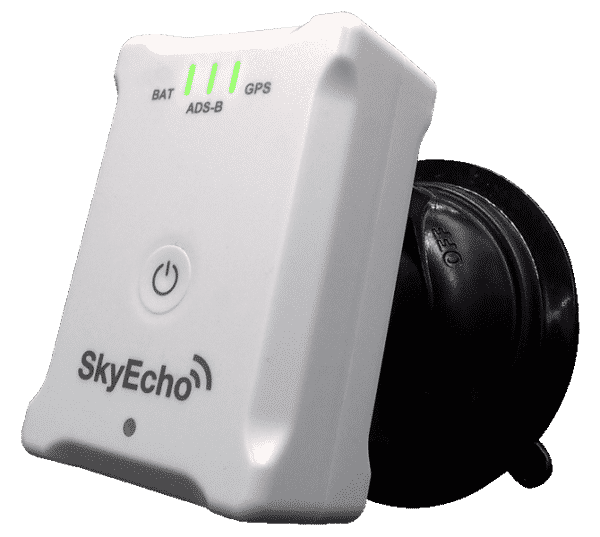
uAvionix echoUAT & SkyEcho
echoUAT ADS-B Transceiver (US)
For use in FAA-registered Light Sport and Experimental Aircraft, echoUAT is a remotely mounted ADS-B transceiver that provides 2020 compliance, as well as dual-band traffic and FIS-B weather for display in ForeFlight Mobile.
SkyEcho 2 ADS-B Transceiver (UK/Europe)
For customers flying in the UK, SkyEcho 2 includes a dual-band ADS-B receiver for position data from other ADS-B equipped aircraft, which can then be displayed in ForeFlight Mobile.
Learn More About uAvionix

FLARM Traffic in ForeFlight
ForeFlight can display FLARM traffic in addition to ADS-B traffic for improved situational awareness and inflight safety. FLARM operates via air-to-air transmissions within 10km and displays basic information about a nearby aircraft's heading, speed, and altitude. ForeFlight supports FLARM devices that use the NMEA or GDL90 protocols to deliver traffic information, as well as uAvionix’s SkyEcho 2 ADS-B and FLARM transceiver.
You must purchase a FLARM Decoding License to display FLARM traffic when connected to a SkyEcho 2.
uAvionix skySensor ADS-B
ForeFlight connects to uAvionix's skySensor wing-mounted receiver to receive dual-band ADS-B traffic and weather, GPS position, and pressure altitude readings. skySensor is the ADS-B In complement to uAvionix's skyBeacon ADS-B Out transmitter, and also a green LED navigation position light and anti-collision strobe. skySensor connects via ForeFlight's extended GDL90 protocol, and will display as "ADS-B" within the app.


Golze Engineering ADL Series
Access global satellite weather, GPS, and more with Golze’s ADL line of portable and installed receivers.
The ADL 140 and 150 provide GPS and satellite weather, while the 190 and 200 add ADS-B traffic and AHRS for backup attitude. Golze’s ADLConnect app can connect to IridiumGo! portable satellite receivers and transmit GPS and weather data to ForeFlight.
Learn More About Golze
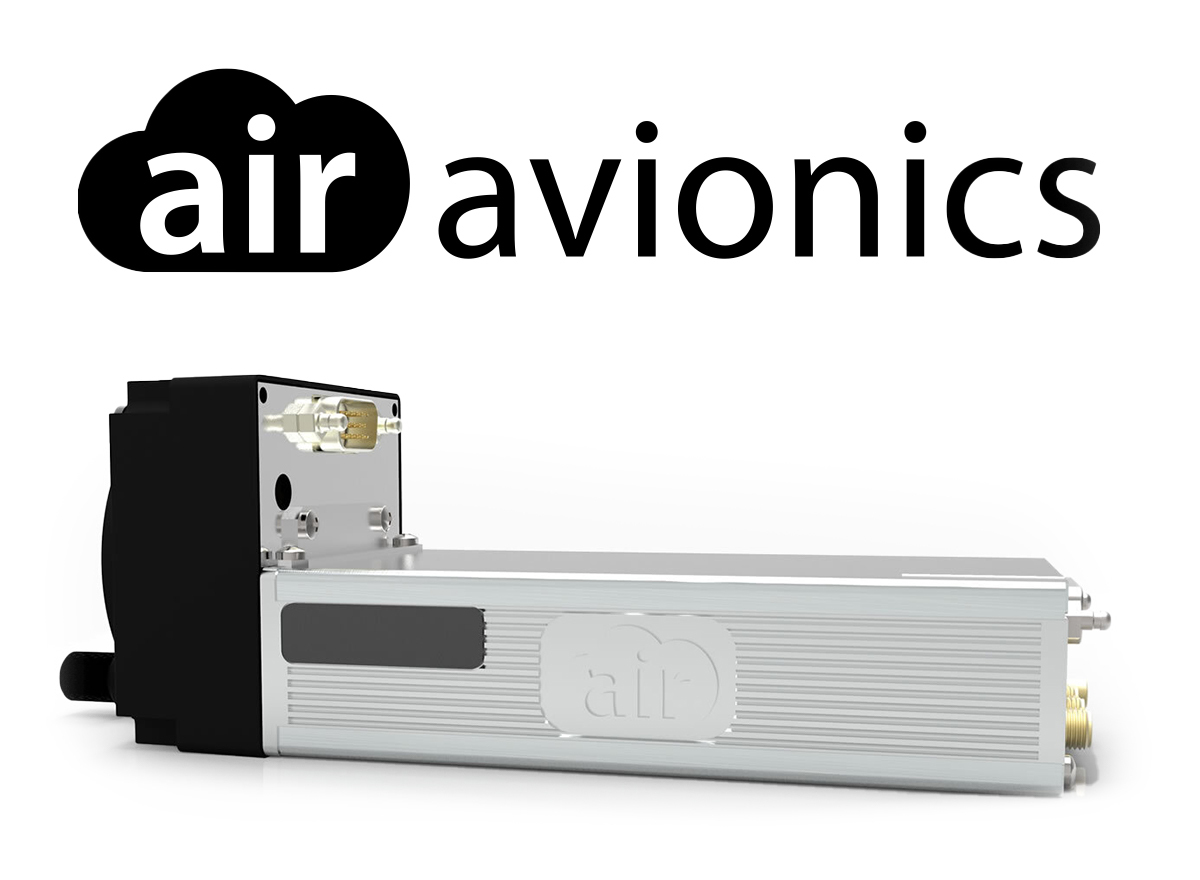
Air Avionics Traffic Receivers
Access ADS-B and FLARM traffic along with GPS position with Air Avionic's AT-1 receiver, and access traffic from other installed avionics using the AIR Connect data bridge.
The AT-1 provides inflight GPS and both FLARM and ADS-B traffic using the 1090MHz frequency, combining both traffic sources to display a more complete traffic picture in ForeFlight. The AIR Connect receives traffic and GPS data from other avionics in your panel and transmits them to ForeFlight via Wi-Fi, allowing you to leverage existing units in your panel for use with ForeFlight.

Honeywell Apex FMS
Pilatus pilots can upload flight plans from ForeFlight to an installed Honeywell Apex FMS via an Aspen Connected Gateway to keep their entire cockpit in sync. In addition to route information, ForeFlight sends detailed performance data for each flight including the number of passengers, fuel and cargo weight, winds aloft information such as speed, direction, and temperature, and more.
ForeFlight’s integration with Honeywell’s Apex FMS is available with ForeFlight Premium subscription plans.
Avidyne IFD550/540/440 FMS
Get in the air faster with two-way flight plan transfer available with Avidyne’s IFD550/540/440 touch-screen navigators. ForeFlight uses GPS data from the IFD to drive moving map features, generate Track Logs for post-flight debrief, and create draft Logbook entries. The IFD550 also delivers AHRS data to drive the dynamic pitch and bank display in ForeFlight's Synthetic Vision view.


L-3 Lynx ADS-B Systems
Connect to L-3’s Lynx line of ADS-B products to display subscription-free ADS-B weather and traffic and inflight GPS information in the ForeFlight app.
FreeFlight RANGR
Wi-Fi connectivity with FreeFlight Systems' RANGR-series of certified ADS-B products delivers FIS-B weather and TIS-B traffic to ForeFlight moving map view. The GPS signal from the RANGR device also provides a position source for the moving map and other features. Compatible systems currently include: FDL-978-RX, FDL-978-XVR, and FTX 250.

Dynon SkyView
Wi-Fi connectivity between ForeFlight and the SkyView panel-mounted avionics system allows you to flight plan on the go and then sync up with your panel once in the cockpit.
In flight, transfer flight plan updates between ForeFlight and SkyView with a simple tap of a button. ForeFlight also receives SkyView's WAAS GPS for aircraft position and AHRS for pitch and roll information on the Attitude Indicator and Synthetic Vision views. Experimental aircraft with SkyView's firmware version 15.4.7 and above can also display ADS-B weather and traffic in ForeFlight.


Stay Sharp on the Ground
Keep your ForeFlight skills sharp when you are stuck on the ground. ForeFlight integrates fully with Microsoft Flight Sim X, X-Plane 10, Infinite Flight, and others to enable GPS position and movement, realistically simulating the inflight experience.

Bad Elf
Bad Elf GPS accessories provide real-time GPS data via Bluetooth or plug-in models. Bad Elf products work great with ForeFlight on Wi-Fi only iPods and iPads. Bad Elf accessories work on a variety of location-based iOS apps.

DAC International GDC64
ForeFlight supports connectivity with the GDC64 Tablet Aircraft Interface Unit from DAC International, providing a wired option to supply ForeFlight with GPS and ADS-B data, as well as a constant power supply. The GDC64 serves as an installed adapter between an iPad or iPhone and FreeFlight’s RANGR series of avionics, which supplies the GPS and ADS-B data used by ForeFlight.
Connectivity with ForeFlight requires GDC64 firmware 7.0.A or above and an adapter to enable USB connectivity.


GDL 90 Extension for
Third-Party Devices
ForeFlight provides an extended version of the industry-standard GDL 90 Data Interface Specification for third-party devices to transmit live weather, traffic, AHRS, device name information, and GPS data to ForeFlight Mobile.